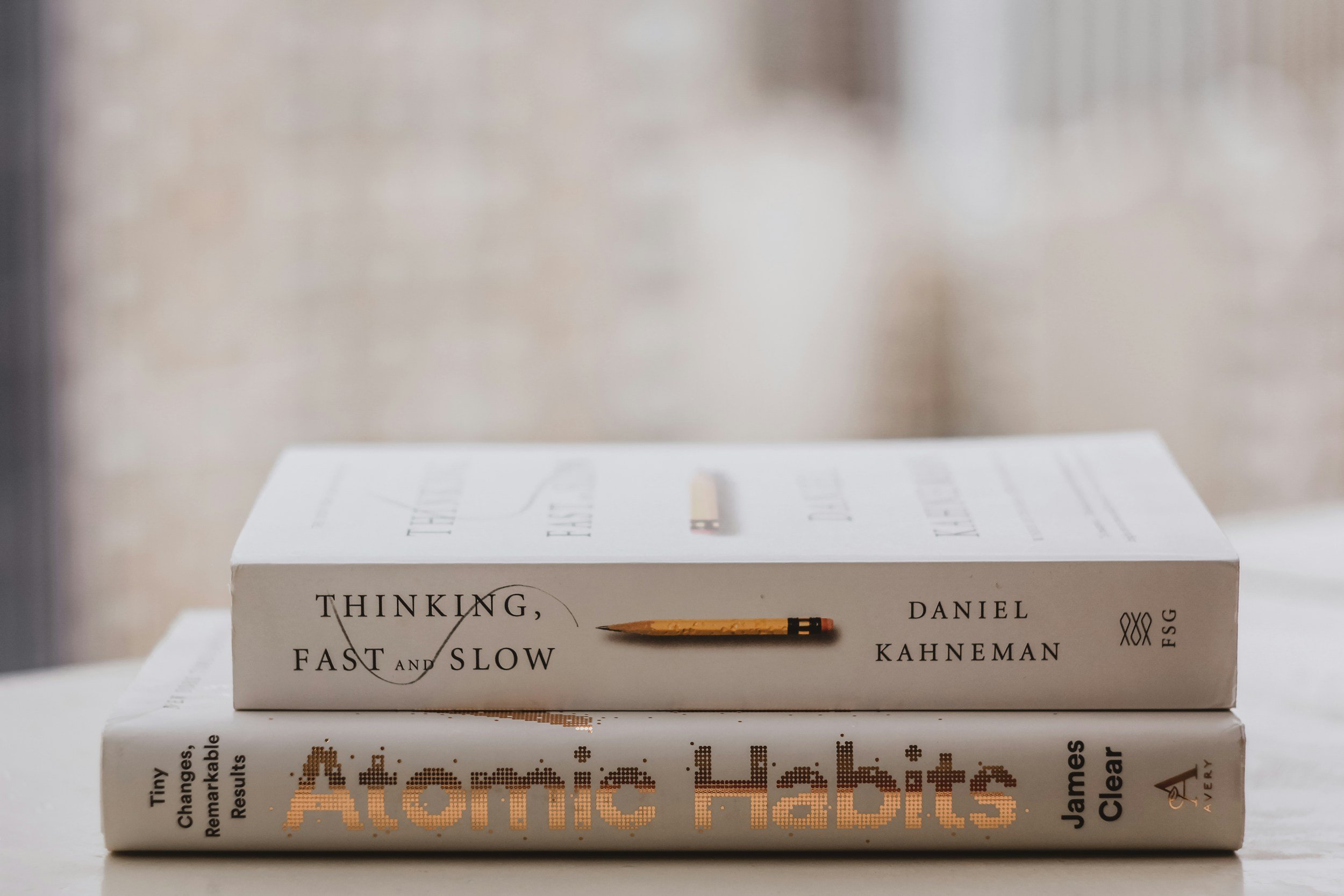
Building Habits That Last
The start of a new year often brings a surge of motivation and a long list of intentions. We set goals, make plans, and promise ourselves that this will be the year things finally stick. But as the days go on, that early momentum fades and by February many of our new intentions quietly fall away. This happens not because of a lack of willpower, but because most change is built on motivation alone rather than on structures that support habits over time. Understanding this is the first step toward creating habits and routines that actually last.
Positive Psychology offers a more sustainable approach to habit change. Rather than relying on motivation alone, it asks you to focus on building habits that are aligned with your strengths, values, and well-being. When habits support who you are, not who you think you should be, they’re far more likely to last. One of the most important insights is that long-term success is built through small, consistent actions. Big, sweeping changes often create pressure and burnout, while modest routines build confidence and momentum. Each time a small habit is repeated, it reinforces a sense of competency and self-trust, two powerful drivers of long-term change. Also important is finding activities and routines that feel rewarding, meaningful, and enjoyable. When we operate from a place of positivity, our brains are more likely to repeat the actions we take. This is why habits rooted in obligation alone tend to fail. Attaching positive emotions to your actions will help these new behaviors become an automatic part of your daily life rather than a chore that you have to “push through.”
Environment also plays a quiet but influential role in our ability to sustain new habits and change. New habits feel easier to implement and sustain when they fit naturally into existing our routines and surroundings. This is sometimes referred to as “habit stacking”. Here’s an example: After you pour your morning coffee you take three slow breaths and set one intention for the day. The existing habit (making coffee) acts as the anchor and the new habit (breathing + intention) becomes easier to repeat and stick with because it’s attached to something you’re already doing. Thus simplifying choices, reducing barriers, and creating visual or situational cues can make consistency feel almost automatic. Success often comes not from doing more, but from making the desired behavior easier to repeat.
Lastly, focusing on the practice of self-compassion helps us to “bounce forward” from the inevitable setback. Missed days and imperfect weeks are a natural part of building new habits, not a sign that something has gone wrong. Responding to setbacks with curiosity rather than criticism and recognizing that change is rarely linear helps us to find the lesson in the challenge and continue moving forward. When the focus shifts from “I failed” to “What did I learn?” our nervous system stays regulated, motivation is preserved, and problem-solving becomes possible. This compassionate mindset makes it easier to return to a new habit after disruption, allowing progress to continue rather than stall at the first setback.
Remember, a new year doesn’t require a complete overhaul of everything in your life. Focus on small actions and remember that lasting change grows from clarity, consistency, and kindness toward yourself. When habits are designed to support your overall well-being they become something you return to again and again with ease and confidence. As you step into the year ahead, consider these questions:
What is one small routine that would make your days feel more supportive?
What would success look like if it were measured by consistency, not intensity?
How might this year change if your habits worked with you rather than against you?
These questions don’t require dramatic answers or immediate clarity, even small shifts can create meaningful change over time. By approaching the year with patience and intention, you give your new habits the space to grow naturally supporting not just what you want to achieve, but how you want to feel along the way. Happy New Year and all the best in 2026!